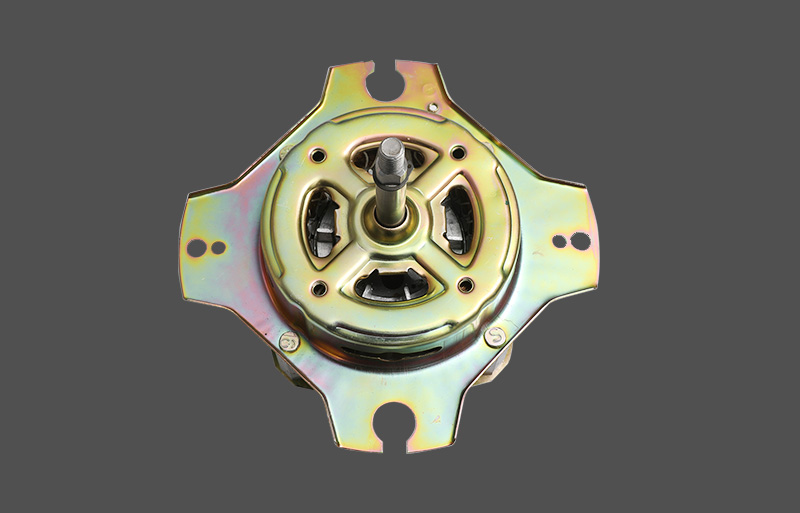
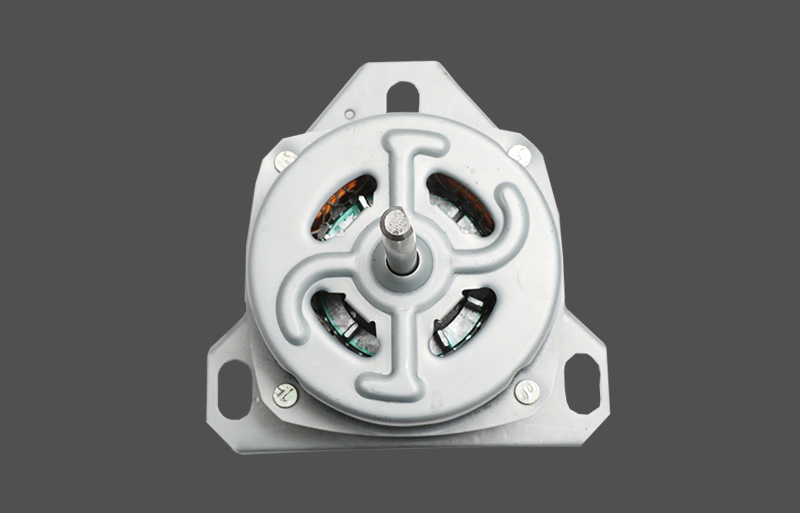
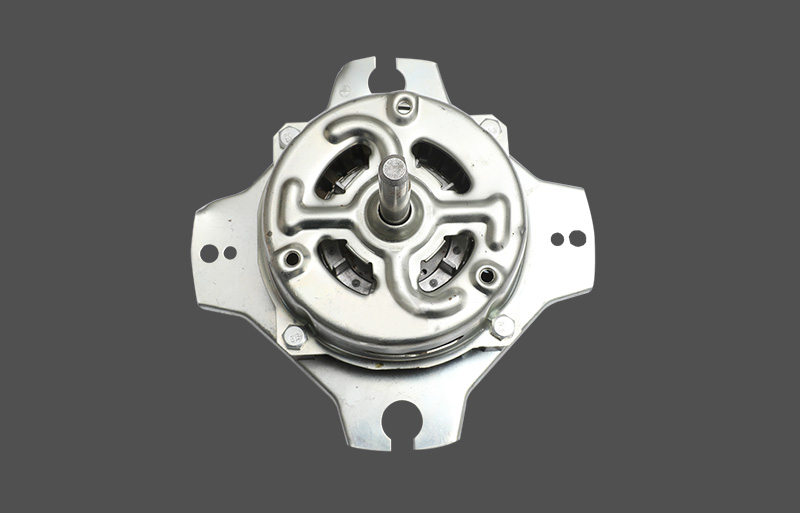
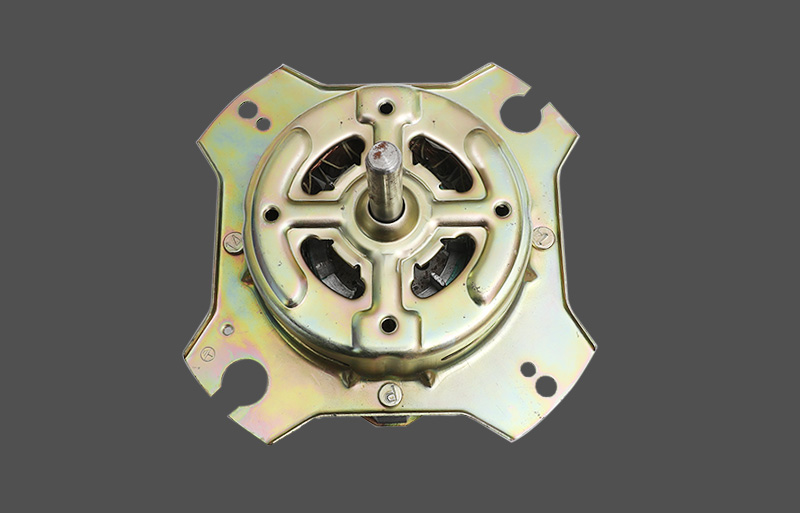
の スタンディングファンモーター は家庭用ファンと業務用ファンの両方の中核コンポーネントです。動作中に過熱が発生する可能性があり、モーターの寿命と動作の安全性に影響を与える可能性があります。安定した性能と耐久性を実現するには、適切に設計された熱保護メカニズムが不可欠です。この記事では、直立ファンモーターの熱保護の設計原理、種類、メカニズム、および応用について専門的に概要を説明します。
熱保護の重要性
モーター巻線は、長時間の動作または高負荷条件下で安全温度限界を超える可能性があり、絶縁劣化、ベアリングの損傷、さらにはモーターの焼損につながる可能性があります。過熱は火災の危険や電気的安全上のリスクを引き起こす可能性もあります。熱保護機構はモーターの温度をリアルタイムで監視し、必要に応じて保護措置を作動させ、信頼性の高い動作を保証します。スタンディングファンの熱保護はモーターを保護するだけでなく、製品の品質とユーザーエクスペリエンスも向上させます。
熱保護機構の種類
のrmal protection in standing fan motors is generally categorized into mechanical and electronic types. Mechanical protection often uses bimetallic strips or thermal switches, which disconnect the circuit based on thermal expansion properties. Electronic protection employs temperature sensors or thermistors (NTC/PTC) to measure temperature, with control circuits determining whether to cut power or reduce load. Electronic protection offers faster response and higher accuracy, enabling multi-level temperature control and fault alarm functions. Mechanical protection is cost-effective and simple, commonly applied in low-power household fans.
熱保護の作動原理
のrmal protection activation is based on temperature detection and threshold judgment. Mechanical switches use thermal expansion to open contacts and disconnect power. Electronic protection converts temperature readings into voltage or resistance signals, allowing control chips to determine whether the motor exceeds preset temperature thresholds. When excessive heat is detected, the system can immediately cut power, reduce speed, or implement intermittent operation. Designers must consider sensor placement, response time, and hysteresis to avoid false triggers and ensure reliable protection.
主要な設計パラメータ
熱保護設計の主要なパラメータには、温度しきい値、応答時間、リセット方法、設置場所が含まれます。しきい値はモーターの定格電力、絶縁クラス、動作環境に基づいて決定されますが、家庭用ファンモーターの場合は通常約 120℃ です。応答時間は保護効率に直接影響します。応答が速くなり、モーターの損傷を防ぎます。リセット方法には自動リセットと手動リセットがあります。自動リセットは連続運転に適していますが、手動リセットはリスクの高い用途での安全性を高めます。臨界温度を正確に反映するには、センサーを巻線またはホットスポット領域の近くに配置する必要があります。
放熱との連携
のrmal protection works best when combined with effective heat dissipation. Proper airflow design, installation of heat sinks, and blade arrangement reduce localized motor temperatures, improving protection accuracy. Good heat dissipation delays temperature rise, reducing frequent protective trips and extending motor lifespan. Thermal simulation can evaluate temperature distribution, ensuring the protection device functions at key hotspots.
信頼性と寿命に関する考慮事項
のrmal protection devices in standing fan motors must exhibit high reliability and long operational life. Mechanical switches should withstand multiple thermal cycles without failure, while electronic sensors require high precision and resistance to electrical interference. Selecting high-quality materials, optimizing contact structures, and implementing moisture and dust protection enhance reliability. A robust thermal protection system prevents motor burnout and accidents during long-term use, ensuring product safety.